

Glass has become an essential part of modern construction and interior design. Whether it is used in windows, doors, partitions, skylights, or decorative elements, different types of glass serve different purposes.
Each type of glass has its own manufacturing process, strength, safety features, and applications. In this article, we will explore the most commonly used types of glass in detail. These are ideal glass for windows that you can learn about.
1. Float Glass
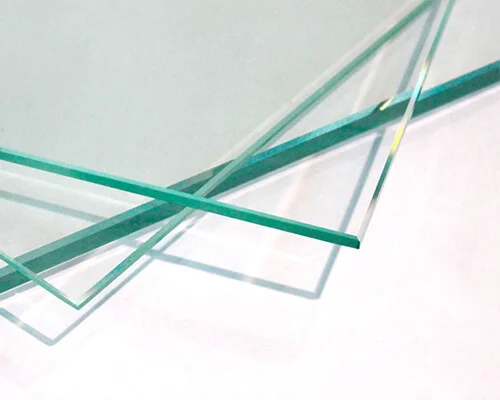
Float glass is the most basic and widely used type of glass. It is manufactured by floating molten glass on a bed of molten metal (usually tin), which creates a smooth and uniform surface.
Key Features:
- Smooth and flat surface
- High clarity and transparency
- Requires minimal finishing
Applications:
- Windows
- Mirrors
- General glazing
2. Tempered Glass (Toughened Glass)
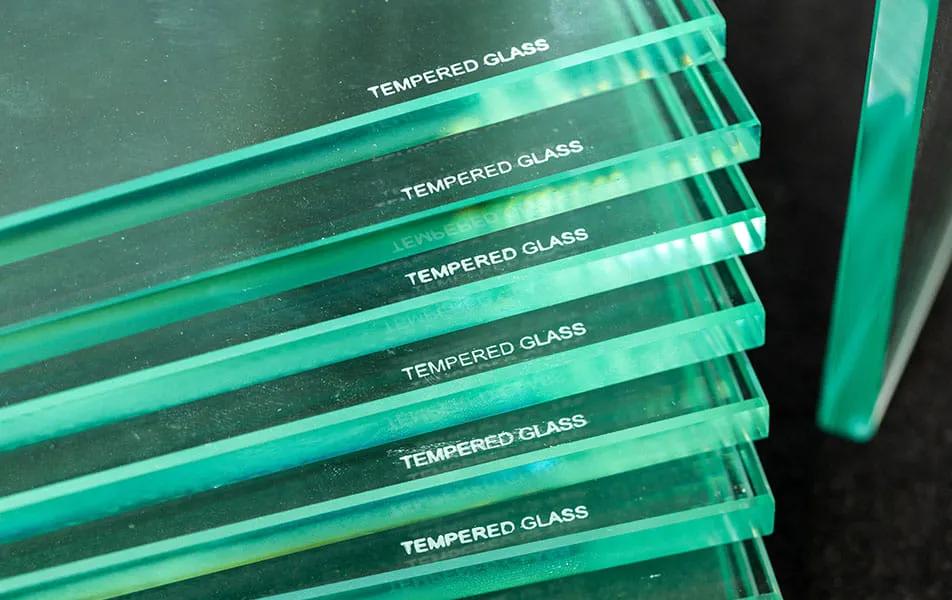
Tempered glass is heated to a high temperature and then rapidly cooled, making it much stronger than regular glass.
Key Features:
- High strength
- Impact resistant
- Safety glass (breaks into small blunt pieces)
Applications:
- Car windows
- Shower doors
- Balcony glass
- Glass doors
3. Laminated Glass
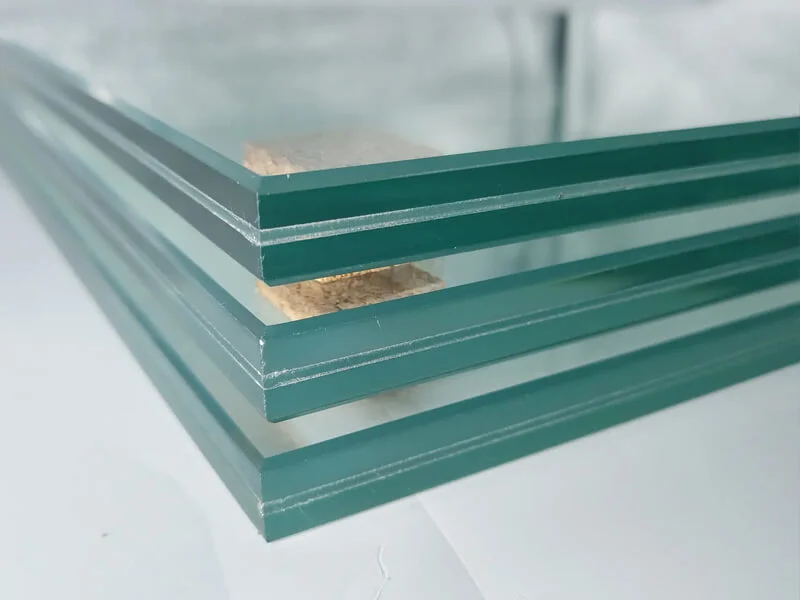
Laminated glass is made by placing a Polyvinyl Butyral (PVB) layer between two or more glass sheets. This layer holds the glass together even when broken.
Key Features:
- High safety
- Sound insulation
- Does not shatter easily
Applications:
- Car windshields
- Skylights
- High-rise buildings
4. Insulated Glass (Double Glazing Glass)
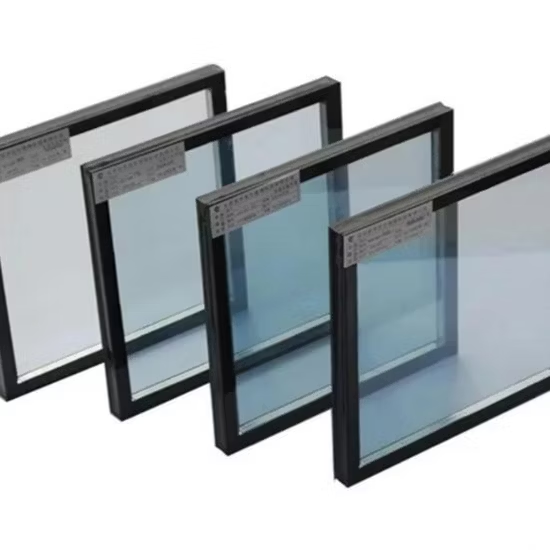
Insulated glass consists of two or more glass panes separated by a spacer filled with air or gas, which improves thermal performance.
Key Features:
- Energy efficient
- Thermal insulation
- Noise reduction
Applications:
- Residential windows
- Doors
- Commercial buildings
5. Low-E Glass (Low Emissivity Glass)
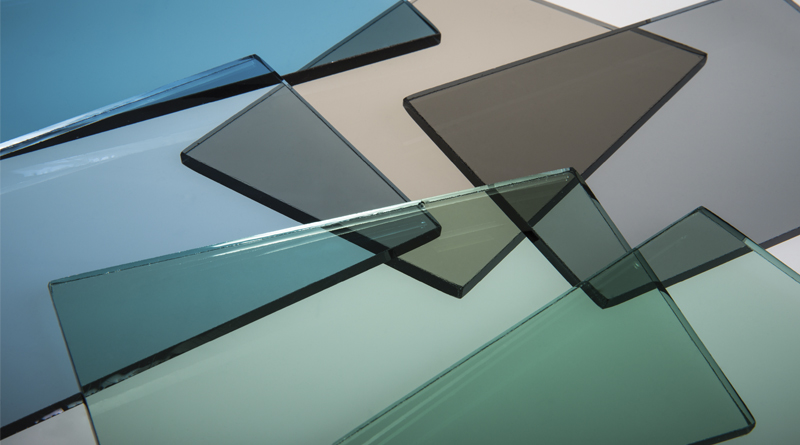
Low-E glass has a thin metallic coating that reflects heat and light, helping to maintain indoor temperature and improve energy efficiency.
Key Features:
- UV protection
- Heat control
- Energy saving
Applications:
- Modern homes
- Energy-efficient buildings
- Premium windows and doors
6. Mirrored Glass OR Reflective Glass
Mirrored glass is created by applying a reflective coating (such as aluminum) to one side of the glass.

Key Features:
- Reflective surface
- Decorative appearance
- Enhances lighting
Applications:
- Mirrors
- Interior decoration
- Security uses
7. Tinted Glass
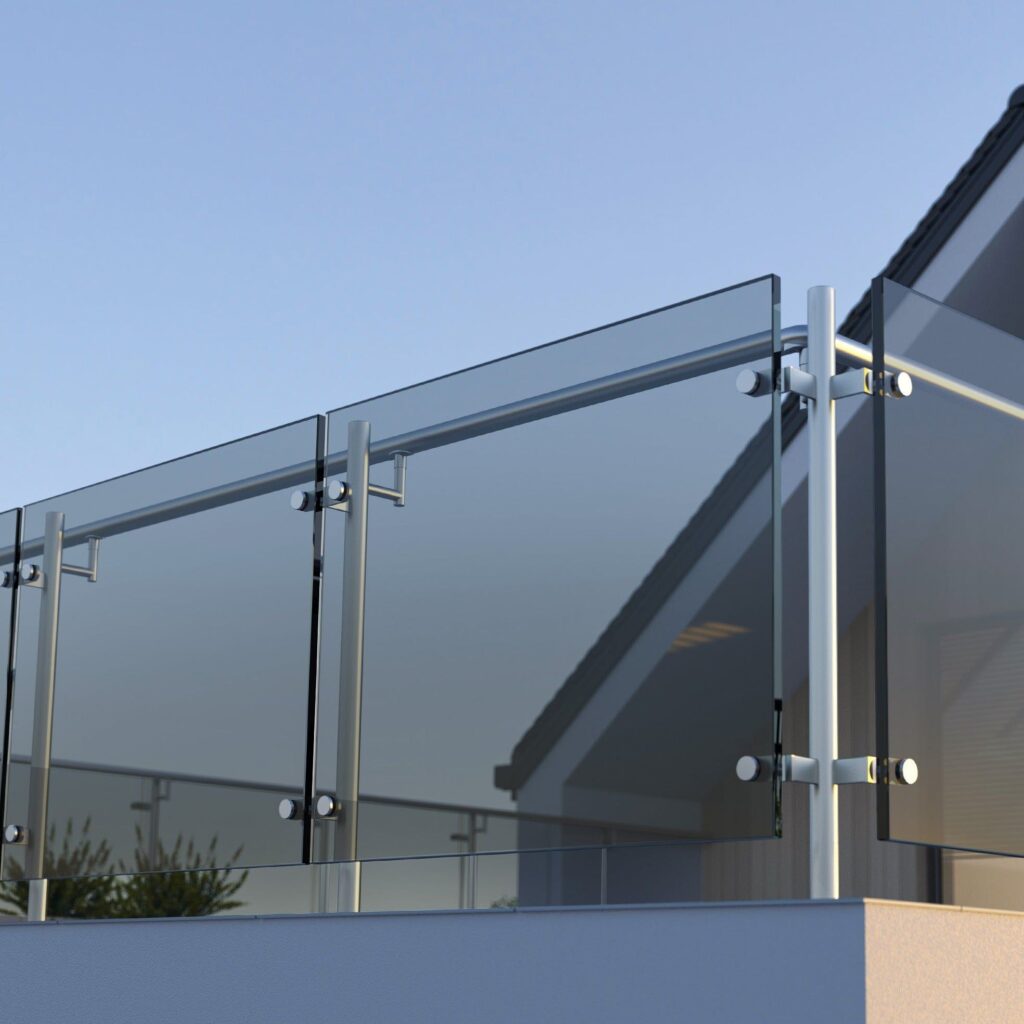
Tinted glass is produced by adding color during the manufacturing process. Common colors include grey, blue, and green.
Key Features:
- Reduces glare
- Controls heat
- Improves aesthetics
Applications:
- Windows
- Doors
- Building facades
8. Wired Glass
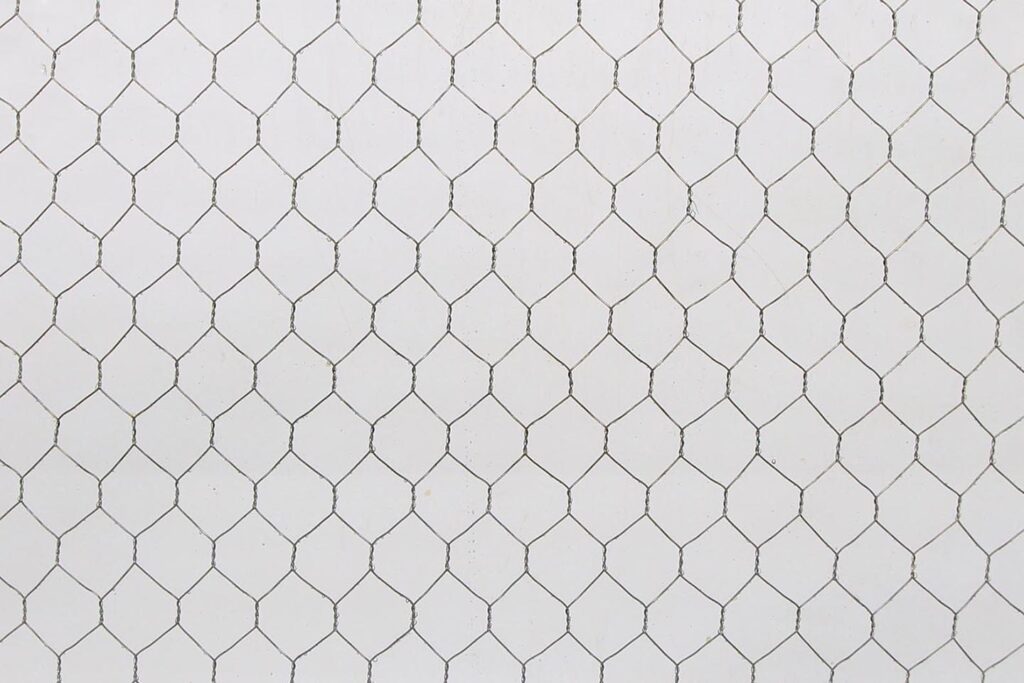
Wired glass contains a wire mesh embedded inside it, which helps hold the glass together when broken.
Key Features:
- Fire resistance
- Added safety
- Structural support
Applications:
- Fire-rated doors
- Skylights
- Industrial buildings
- Greenhouses
Final Words:
Choosing the right type of glass plays a crucial role in improving the safety, energy efficiency, privacy, and aesthetics of your space.
If you are installing uPVC or aluminium windows, selecting the appropriate glass type is equally important for long-term performance.
About Us – DESIGNS FOR YOU
At DESIGNS FOR YOU, we provide high-quality uPVC windows, aluminium windows, and customized glass solutions.
We help you choose the perfect glass based on your space, needs, and budget.